From Restaurant Box to Flavor Explosion: The Science of Leftovers
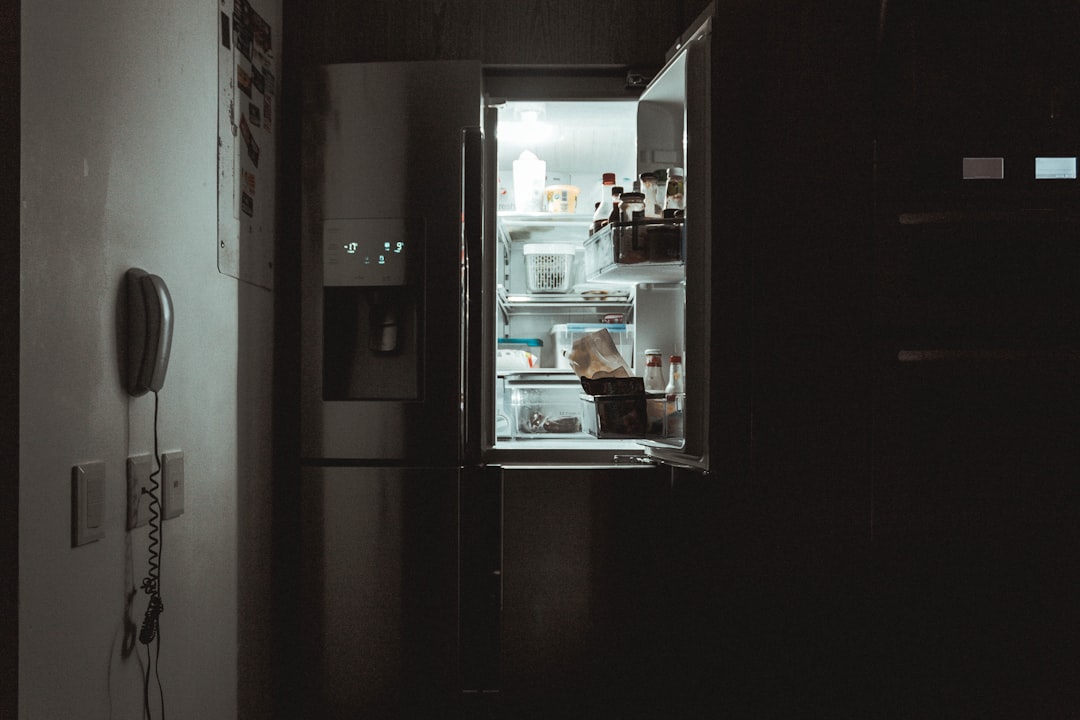
You know that moment when you open your fridge and come across a takeout box filled with yesterday's restaurant food? It's like finding a little culinary treasure waiting to surprise you! Often, it's more delightful than the first time around, but what’s the secret? Why does your leftover pad Thai taste like a gourmet experience a day later, while that mildly sad salad looks like it needs a pep talk?
The answer lies in food chemistry: think starches, proteins, and the magic of time.
Starches: The Flavor-Changing Wizards
Let’s kick things off with starches. When you cook pasta or rice and let it chill in the fridge, something neat happens called retrogradation. Yes, it sounds fancy! This is when the starch molecules crystallize as they cool, making them firmer and, honestly, more fun to chew. When reheated, they'll absorb all those leftover sauce flavors, becoming even tastier.
Picture your leftover ramen soaking in that savory broth overnight—the flavors get cozy and create a rich taste profile that just can’t happen when it’s freshly made. Who knew cold leftovers could lead to such a delicious science project?
Quick Tip:
Before you hit that microwave button, add a splash of water or broth. This keeps your noodles or rice nice and moist, elevating the leftover experience!
Proteins: The Flavor Mood Swingers
Next up: proteins. These can be a bit of a mixed bag. Take chicken or beef, for example—they often get better with time, soaking up their juices to become mouthwatering delights (who doesn’t love shredded chicken tacos from yesterday?). The flavors mingle and develop overnight, creating something gorgeous.
But hold up—delicate proteins like fish can take a turn for the worse. After a day in the fridge, they can start tasting a little, let’s say, “funky” and dry out faster than you can say “soggy sushi.”
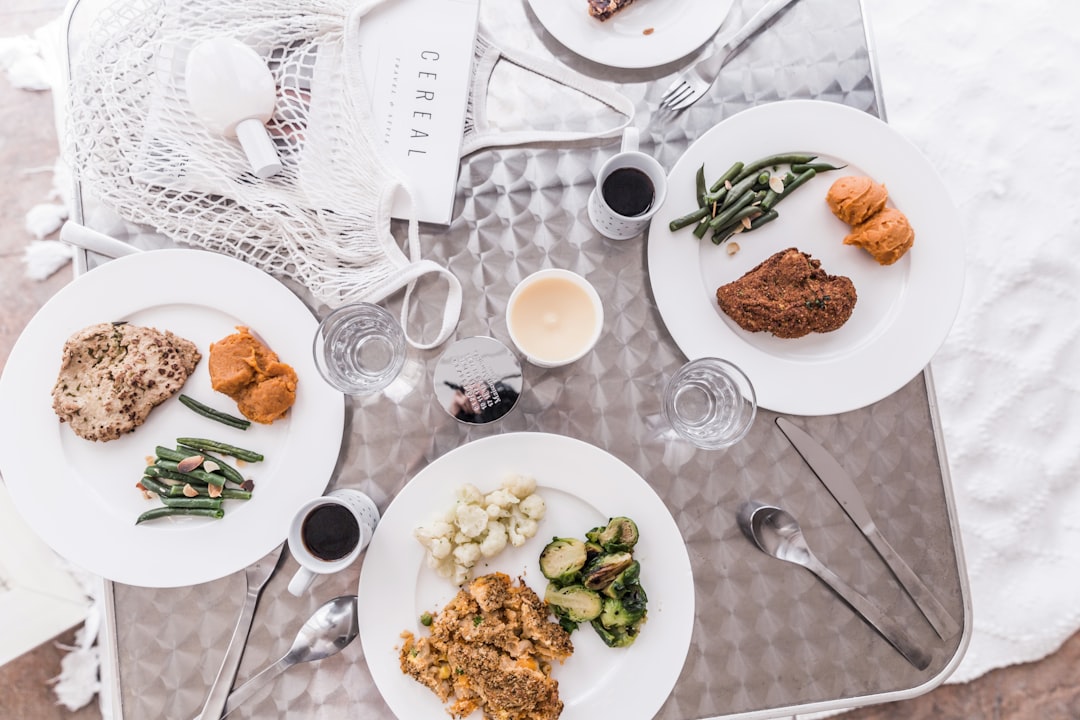
- **Best Candidates for Leftovers:** Roasted veggies, hearty stews, flavorful curries, and roasted chicken—these can deepen in flavor and often taste even better the next day!
- **Poor Candidates:** Fish, leafy salads, and creamy casseroles—these are best enjoyed fresh!
Flavor Development: The Hero of Seasoning
And what about seasoning? It’s the soul of any dish! Spices and herbs have a chance to become more aromatic over time—think of how a well-seasoned stew or casserole can hit a flavor sweet spot on day two!
If you whip up your own marinades or sauces, you’re in for a flavor revival! A squeeze of lime or a sprinkle of fresh herbs can breathe new life into even the most tired of leftovers.
Common Questions
Why do some foods spoil faster than others?
Moisture is the ultimate enemy! Foods high in moisture, like fresh fruits and veggies, spoil quickly since they create a welcoming habitat for bacteria. In contrast, dry goods like grains can hang around for weeks without going bad.
Can I safely reheat leftover fish?
Absolutely! Just remember it’s best to eat that fish within a day for peak flavor. If you do decide to reheat, go gentle! Using the oven or stove is recommended—microwaves might just turn your tender catch into rubber!
How can I keep my leftovers from getting sad and soggy?
Store your leftovers in airtight containers, and if you’re not going to eat them soon, consider freezing portions. It’s like giving your food a little vacation from potential spoilage!
So there you have it—the flavor science behind why certain meals taste better the next day while others go downhill. So next time you’re staring at that takeout box, get excited for a flavor adventure. Embrace those delicious transformations—your taste buds will thank you!
Comments