Understanding Ripening
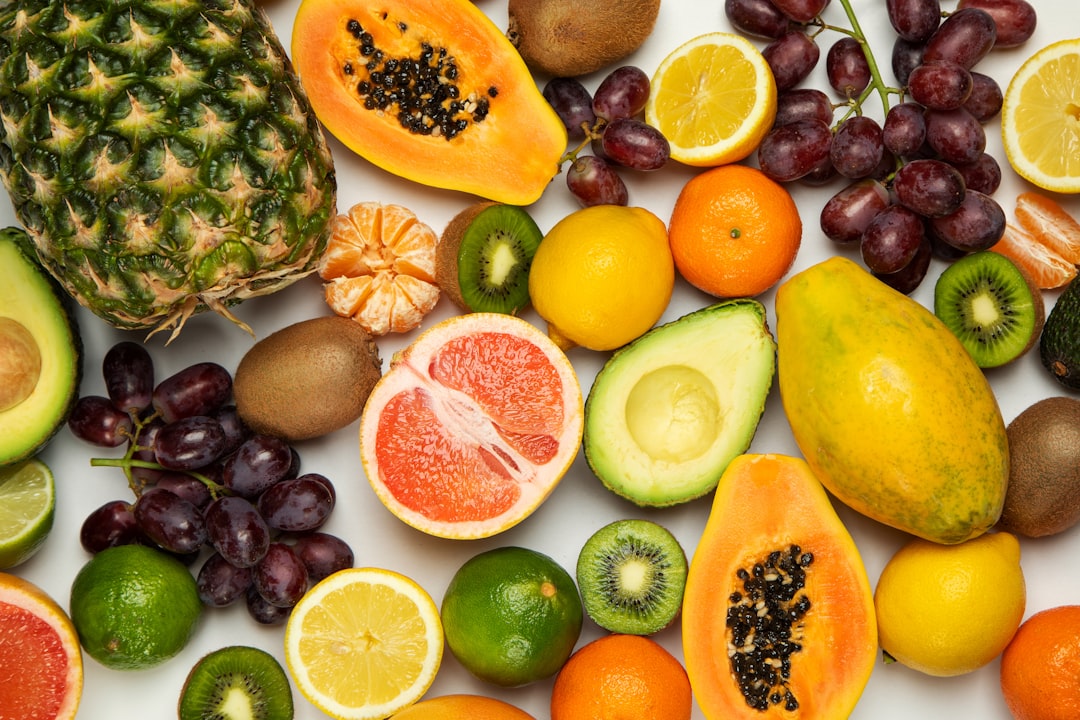
Fruit ripening is a remarkable journey, a transformation driven by nature’s own chemistry. From the initial crunch of an unripe pear to the honeyed sweetness of a perfectly ripe one, this evolution is not merely a passive process but rather an orchestrated dance of enzymes and gases. In this exploration, we’ll delve into the science of ripening and glean some practical insights for the kitchen.
The Role of Ethylene
Centrally involved in the ripening process is ethylene, a simple hydrocarbon gas produced by many fruits, including bananas, apples, and avocados. It acts as a signaling molecule, triggering a cascade of reactions that lead to the fruit’s transition from firm to flavorful. What’s really fascinating is how ethylene can travel, influencing ripening in neighboring fruits—a concept you might consider if you’re trying to manage the lifecycle of your fresh produce.
For example, placing an unripe avocado in a paper bag alongside an apple can accelerate its ripening due to the ethylene emitted by the apple. This is one of those small kitchen tricks that gives us more control over our ingredients, turning the otherwise predictable cycle of ripening into a deliberate part of our cooking process.
Enzymatic Reactions at Play
As fruits ripen, you’ll find that various enzymes come into play. Primarily, amylase starts breaking down starches into sugars, creating that desired sweetness. Pectinase softens the fruit’s structure, transforming it from hard to tender—think about how this is evident in the difference between a crunchy green tomato and its juicy, red counterpart.
Isn’t it interesting how these biochemical reactions can affect not just flavor but also texture? A ripe mango’s silky consistency or the melt-in-your-mouth pleasure of a perfectly ripe peach can be attributed to these enzymatic changes. It’s worth paying attention to how these factors can influence not just your enjoyment of the fruit, but also any culinary creations your mind can conjure.
Practical Applications in Your Kitchen
By respecting the science of ripening, you can maximize the flavors in your dishes while minimizing spoilage. For instance, knowing that tomatoes should ripen at room temperature, away from direct sunlight, can help you achieve those deep, robust flavors you crave in salads and sauces. Additionally, consider experimenting with different stages of ripeness in recipes for unique and interesting results.
If you find your fruits are ripening too quickly, the fridge can be a clever haven. Cool temperatures slow down the ethylene production. However, keep in mind this might alter texture and flavor, so it’s a balance between timing and your intended use.
Concluding Thoughts
The science of fruit ripening is not just a lesson in biochemistry; it’s an invitation to engage more intimately with the fruits we enjoy. With a little knowledge about ethylene and enzymes, we can make thoughtful choices that elevate our cooking and allow us to savor every bite at the peak of deliciousness.
Common Questions
How can I store fruits to control ripening?
To control ripening, store fruits that emit high levels of ethylene (like bananas and apples) separately from those that are sensitive to it, like berries and leafy greens. You can also use temperature control—keeping them in the fridge slows down the process.
What is the best way to speed up ripening for certain fruits?
To speed up ripening, place fruits that produce ethylene, such as bananas or apples, in a paper bag with the fruit you want to ripen. This traps the ethylene around the unripe fruit and accelerates its transformation.
Does refrigerating ripe fruit affect its taste?
Refrigerating ripe fruit can alter its texture and taste. Some fruits, like strawberries and avocados, lose their desired flavors and textures when chilled. For this reason, it’s best to consume them at their peak ripeness rather than storing for extended periods in the refrigerator.


Comments