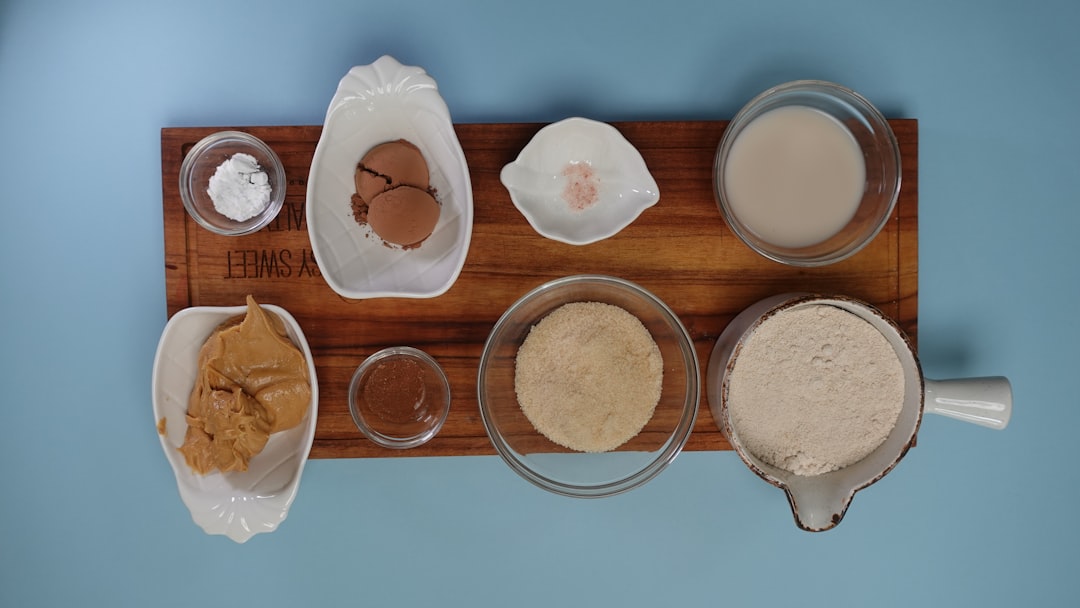
The Life Cycle of Ingredients
From the crisper drawer to the oven, every ingredient has its own timeline, a unique journey shaped by freshness, preparation, and time. Take fresh basil, for instance. A beautiful bunch can transform a simple dish into a culinary delight, but after just a couple of days, it can fade from vibrant green to a droopy, brown shadow of its former self. Understanding the timeline of common foods enriches our cooking experience, ensuring we consume them at their peak flavor.
Day 1: New Arrivals
Your kitchen is a theatre, and the ingredients are the stars. The first day is all about showcasing fresh produce. Tomatoes are a prime example; on the first day, their flavors burst with potential—their vibrant reds and greens complement each other, and with each slice, you’re reminded of summer’s glory. Store them at room temperature, where they can continue to ripen, becoming juicier and sweeter. This is when you want to prominently feature them in salads or vibrant sauces.
Days 2-3: Peak Performance
Come days two through three, these ingredients are still shining bright. Leftover roasted vegetables, for example, may find their way into a frittata or a wrap. The key here is appreciation: use those ingredients while they’re in their prime, and let their flavors mingle and develop. A side note: if those tomatoes start to wrinkle just a bit, that’s a cue to whip up a quick sauce, transforming them into a lovely base where their concentration shines through.
Days 4-6: The Tipping Point
As we move into days four through six, a spotlight shines on the delicate balance between fresh and spoiled. Remember that fresh salmon? It has a reassuring smell when it's just right, but by day four, the scent can turn more pungent, hinting that it’s time for a decision. It’s not just about freshness here; it’s about creativity. Consider oven-baking it with a lovely herb crust, or even making a chowder that gently cooks the fish, allowing it to hold its character while minimizing waste.
Days 7 and Beyond: The Creative Use
As your ingredients reach the week mark, the challenge lies in repurposing them. A week-old bunch of spinach, especially if it’s wilting, is perfect for a hearty soup or blended into a pesto. The remnants of your once-vibrant food can be used creatively in new dishes. Think of it as a refurbishment, a second life for your kitchen produce that invites new flavors and textures into your meals.
Honoring the Cycle
Cooking is a dialogue between you and your ingredients, influenced by the timeline of freshness. By understanding how ingredients evolve daily, we can shift our cooking habits towards respecting their life cycle. The sooner we recognize that food has its own timeline, the more attuned we become to maximizing its potential, harmonizing with both flavor and sustainability.
Common Questions
How can I tell if my food is still fresh?
Trust your senses—look for any visual signs of spoilage, smell for off odors, and feel the texture. If the item has an unusual smell or mushy texture, it’s best to reconsider using it.
What are some ways to use up nearly expired food?
Get creative! Soups, frittatas, and stir-fries are excellent options. You can also blend older greens into smoothies or sauces for a nutritional boost without waste.
Can I extend the life of my fresh produce?
Yes! Store them properly—leaves in a breathable bag in the fridge, and tomatoes at room temperature, away from direct sunlight. Also, regularly check on them to catch any signs of spoilage early.

Comments