Introduction
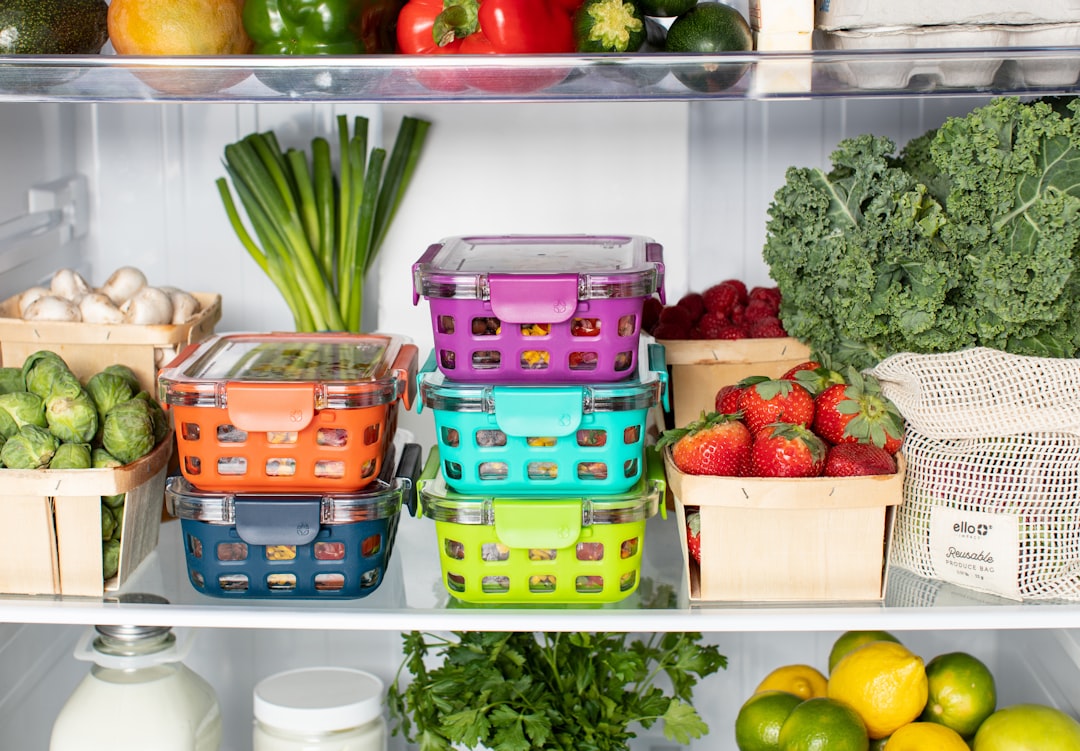
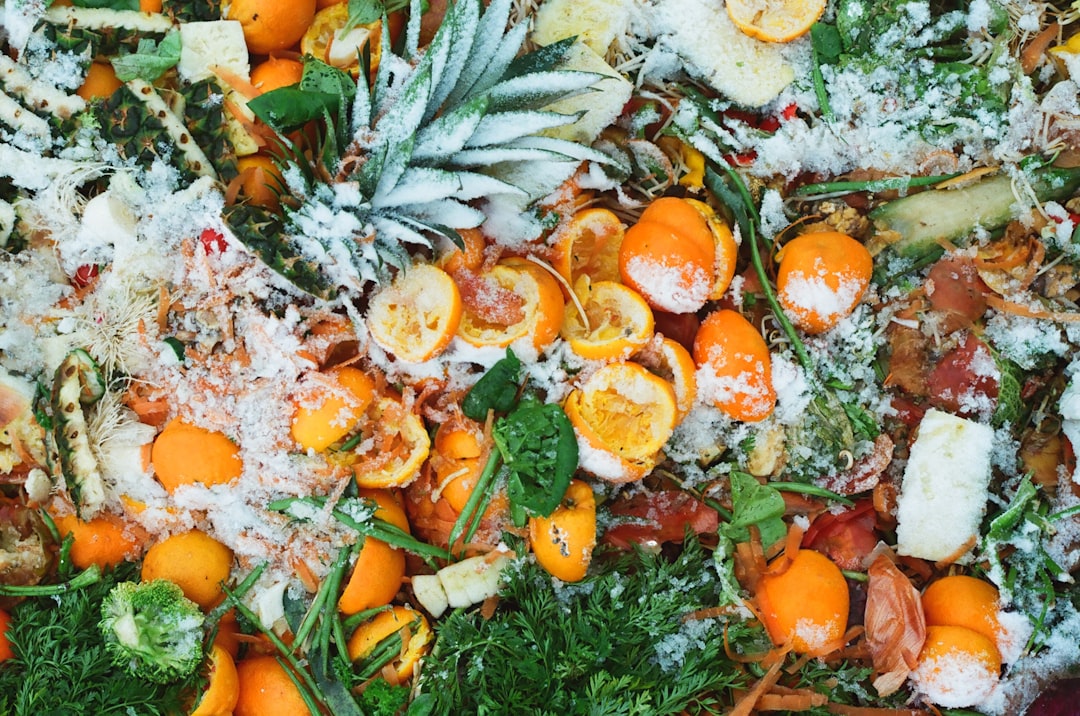
Food waste is one of the biggest challenges facing households today, impacting not only our wallets but also the environment. With the average household throwing away nearly a quarter of the food they purchase, it's clear that we have some work to do. But don't worry! In this blog post, we're going to empower you with the knowledge to track food expiration dates and make the most of your fridge favorites. You're already on the right track by saving food—now it's time to make it count!
Understanding Expiration Dates
Before diving into how long your fridge staples actually last, let's clear up some common misconceptions about expiration dates:
- Expiration Date: This is typically the date set by the manufacturer for the last date recommended to consume the product.
- Best By/Best Before: Indicates when the product is at its best quality; it’s not necessarily unsafe to consume afterward.
- Sell By: This date tells retailers when to sell the product, ensuring it’s fresh for consumers.
The Lifespan of Your Leftover Legends
To help you navigate your fridge, here's a breakdown of some common fridge favorites and how long they typically last:
1. Cooked Meats
Cooked chicken, beef, or pork can last in the fridge for about 3-4 days. To maximize freshness, store them in airtight containers to prevent spoilage.
2. Pasta and Rice
Cooked pasta can sit in the fridge for about 3-5 days, while cooked rice typically lasts up to a week. Make sure to avoid leaving them at room temperature for more than two hours after cooking.
3. Soups and Stews
These comforting meals can last up to 3-4 days in your fridge. For optimal taste, let your soup cool before covering and refrigerating, which helps to prevent condensation and keep it fresh.
4. Vegetables
Fresh veggies can have varying lifespans depending on their type. Leafy greens might last about 5-7 days, while sturdier vegetables like carrots can last up to 2-3 weeks. Remember to store them properly—moisture is the enemy!
5. Dairy Products
Milk generally lasts a week after the sell-by date if stored properly, while yogurt can last 1-3 weeks, and cheese can last 2-4 weeks in your fridge, depending on the type.
6. Eggs
Eggs can last about 3-5 weeks after the sell-by date if kept in their original packaging and in the coldest part of your fridge.
How to Make Leftovers Last Longer
Want to stretch the life of your delicious leftovers even further? Here are some practical tips:
- Label and Date: Use tape and a marker to label containers with the date they were made or stored. This makes tracking food easier and eliminates spoilage.
- Portion Control: Divide leftovers into smaller portions to reduce the likelihood of having to throw out excess after a week.
- Freeze Wisely: If you're unsure you'll eat it in time, freezing is a great option! Most meals can be frozen successfully for up to two months, just be sure to use freezer-safe containers.
- Cook Fewer Portions: If you find yourself with too many leftovers frequently, consider reducing your portion sizes or meal prepping only what you know you'll consume.
- Use Foil for Tracking: Utilize apps like Foil to keep track of what’s in your fridge and get reminders when items are nearing their expiration. It'll make meal prepping a breeze!
Conclusion
Reducing food waste isn’t just a noble cause; it’s also a way to enhance your meal experience while saving money. Now that you know how long your fridge favorites last and have some practical tips to make them stretch further, you're on your way to becoming a kitchen hero. With a little planning and tools like Foil to help you keep tabs on your food, you can ensure that every bite counts. Let's make the most of our leftovers and fight against those shocking food waste statistics together!
Comments