Small Wins: How Tiny Habits Save Big on Food Waste
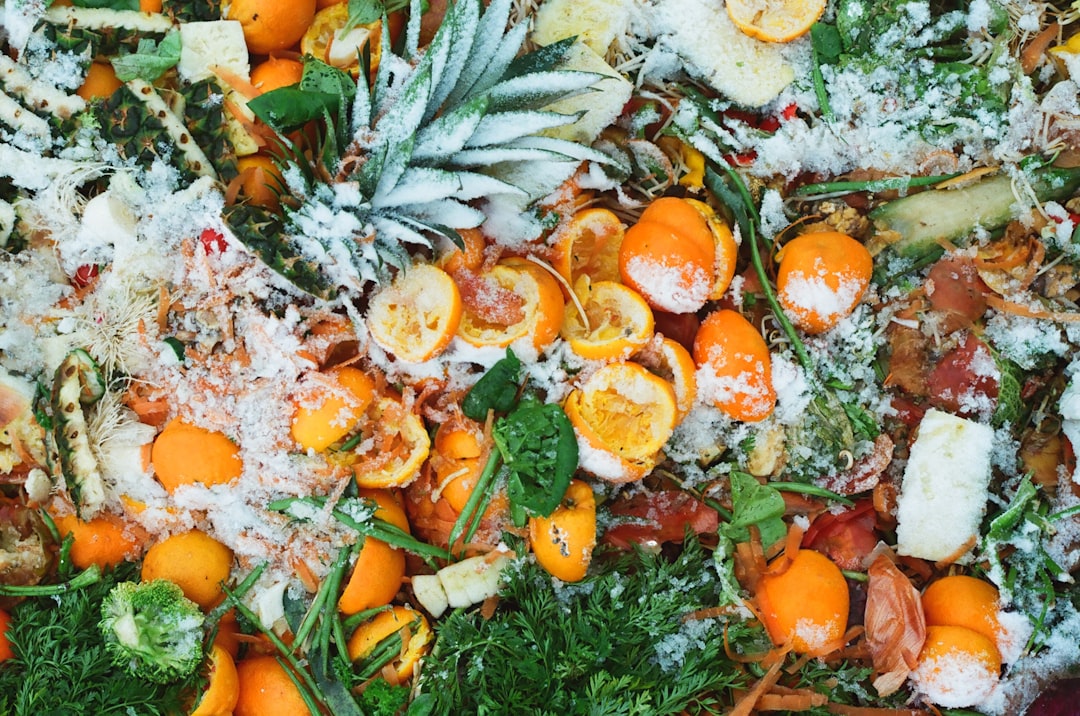
Food waste is a major challenge—roughly 40% of food produced in the U.S. ends up in landfills, which is tough on both our wallets and the planet. As eco-conscious individuals, seeking to reduce waste is more important than ever. The good news? Small, consistent changes can lead to significant results. Let's dive into some tiny habits that can make a big difference in your kitchen and help you save both food and money—plus, how Foil can assist you along the way!
The Power of Mindful Consumption
The journey to reducing food waste begins with being mindful of what you buy and consume. Take a moment to reflect on how often you purchase items spontaneously or forget about those items at the back of the pantry. By changing the way you plan your meals and shop for groceries, you can avoid impulse buying and overspending.
1. Create a Meal Plan
Start by mapping out a weekly meal plan. This should include breakfast, lunch, and dinner ideas, plus snacks. A simple meal plan not only gives you a shopping list but also helps you avoid buying foods that won’t get used.
- Assess your fridge: Before creating your meal plan, check your existing supplies to see what needs to be used up.
- Focus on versatility: Choose ingredients that can be used in multiple dishes. For example, buy a batch of spinach that can be added to salads, smoothies, or omelets.
2. Track Expiration Dates
The key to preventing forgotten items is to keep track of expiration dates. This is where Foil comes in handy! Our app helps you log the expiration dates of your groceries, providing alerts when items are nearing spoilage. This mindful practice ensures that you prioritize what needs to be used up first.
3. Use FIFO (First In, First Out)
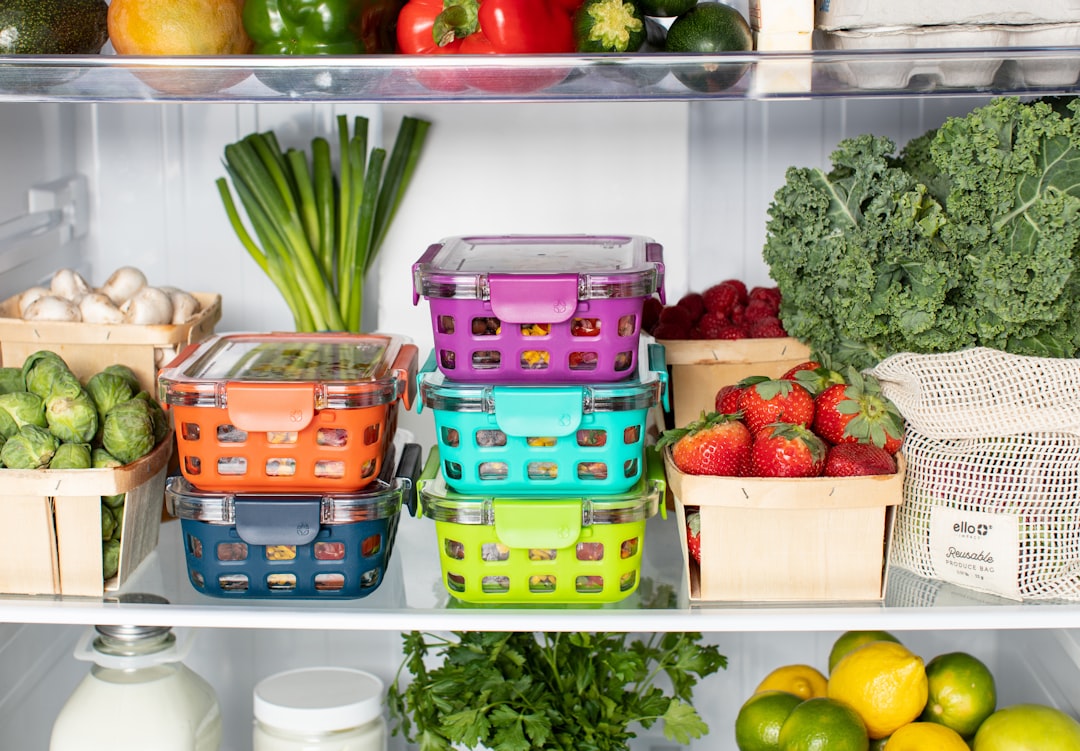
When organizing your fridge or pantry, employ the FIFO method. Place newer items behind older ones so that you consume them in the order they were purchased. This simple arrangement can help you use up foods before they expire.
Simple Ways to Stretch Your Ingredients
Sometimes we buy ingredients that seem like a good idea but end up going to waste because we’re not sure how to use them. Let’s explore some strategies for utilizing those ingredients fully!
4. Learn to Use Leftovers Creatively
Leftovers don’t have to feel mundane! Imagine a shredded chicken from last night’s dinner transformed into a soup or a wrap for lunch. By reimagining your leftovers, you’ll enjoy a variety of dishes without spending extra money.
5. Freeze for Later
Freezing is a fantastic way to extend the life of your food, especially for items that may soon spoil. You can freeze fruits for smoothies or veggies that you can later toss into soups and stews. Consider these tips:
- Store ingredients in portion sizes to make meal prep effortless.
- Label and date your containers so you can keep track of what’s in your freezer and when it should ideally be consumed.
Get Everyone Involved
Involve your family or housemates in your food-saving efforts. Discuss your meal planning, and share cooking responsibilities to create an engaging atmosphere around meal times.
6. Cook Together
Turn cooking into a fun group activity! Not only does this allow everyone to contribute to meal prep, but it encourages creativity. When everyone is involved, it instills a greater appreciation for the food and reduces the likelihood of waste.
7. Educate and Inspire
Teach others about conscious food consumption! Sharing knowledge or personal experiences could motivate others to adopt similar practices. You may even find social gatherings centered around food waste reduction.
Track Your Progress
As you begin to implement these small changes, track your progress. Noticing less waste and fewer trips to the grocery store reinforces your positive habits and showcases the impact of your efforts. Foil can help you easily monitor how much food is being consumed versus wasted in your home.
Conclusion
Reducing food waste is no small feat, but by adopting tiny habits, you can contribute to a larger solution! From creating a meal plan to tracking expiration dates and cooking creatively, each action compounds into meaningful change. Remember, you’re already ahead of the curve by valuing your resources. Let’s keep going and strive for those small wins in our kitchens, making the world a more sustainable place—one meal at a time!

Comments