How Different Cultures Use Time to Shape Flavor
Flavor is not merely a function of ingredients; it’s deeply intertwined with the passage of time. From the tangy notes of kimchi that develop over days to the rich complexity of a well-aged cheese, cultures around the world have perfected methods that serve as testaments to time’s transformative power over food. Each technique—be it fermentation, aging, or pickling—offers a unique lens through which we can savor the journey our food has taken.
Fermentation: A Living Tradition
Fermentation is one of humanity’s oldest food preservation techniques, serving both practical and culinary purposes. In countries like Korea, Japan, and parts of Eastern Europe, fermentation is not merely about extending the shelf life of food; it’s about flavor enhancement. Kimchi, for example, evolves in taste and aroma as it ferments over weeks. The initial crunch of napa cabbage softens and becomes more nuanced, while the pungent symphony of garlic, ginger, and chili peppers melds into a vibrant flavor profile that can only be achieved through time.
In Japan, miso paste undergoes a similar transformation, often aged for years to develop its deep umami flavors. The patience involved in these processes contrasts sharply with our fast-paced eating habits. Yet, when you finally taste that rich miso in a hearty soup, the depth of flavor reminds us of the simple beauty of letting nature take its course.
Aging: The Taste of Time
Aging is another culinary art that stands testament to the fact that great flavor cannot be rushed. Think of a fine wine or a carefully crafted cheese. The slow aging process allows complex chemical reactions to occur, resulting in heightened flavors and textures. In regions like France and Italy, the meticulous aging of cheeses like Roquefort or Parmigiano-Reggiano can take years. During this time, the cheeses develop their distinct characteristics—crumbliness, sharpness, richness—that cannot be replicated in freshly made varieties.
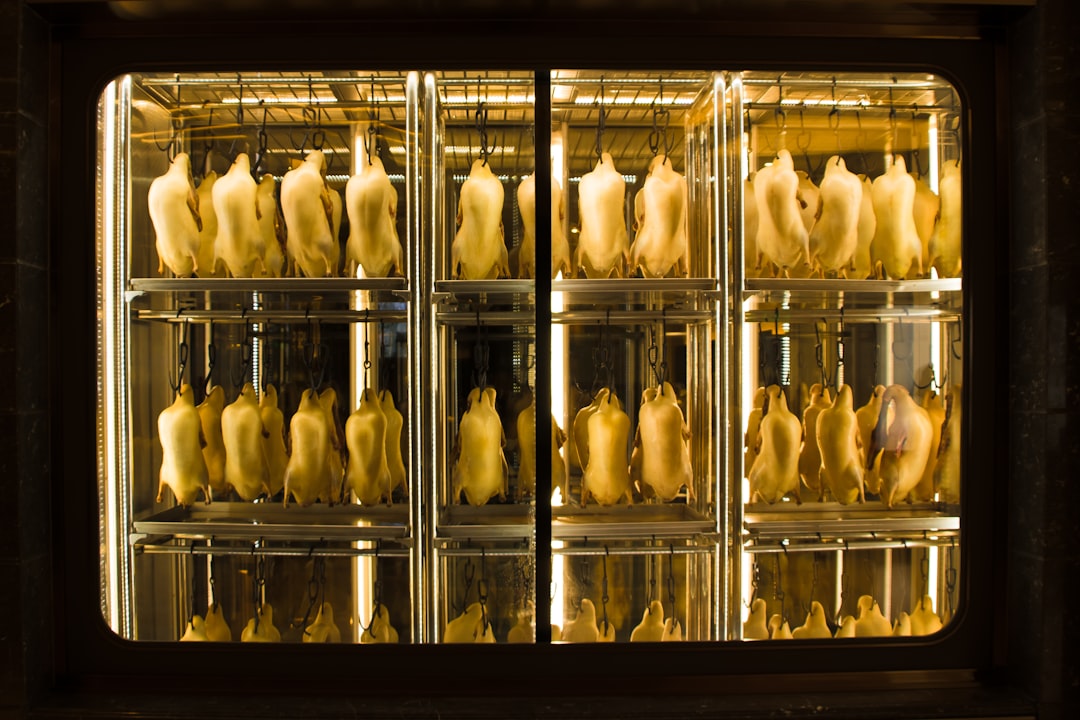
This concept holds true for meats as well. Prosciutto, for instance, is a delightful product of time and skill. The long-air drying and aging process infuse the ham with intense flavor and a delicate sweetness, amplifying its complexity and taste. The slow, intentional act of aging not only creates remarkable flavors, but it also connects eaters with the history and tradition of the region.
Pickling: Preservation Meets Passion
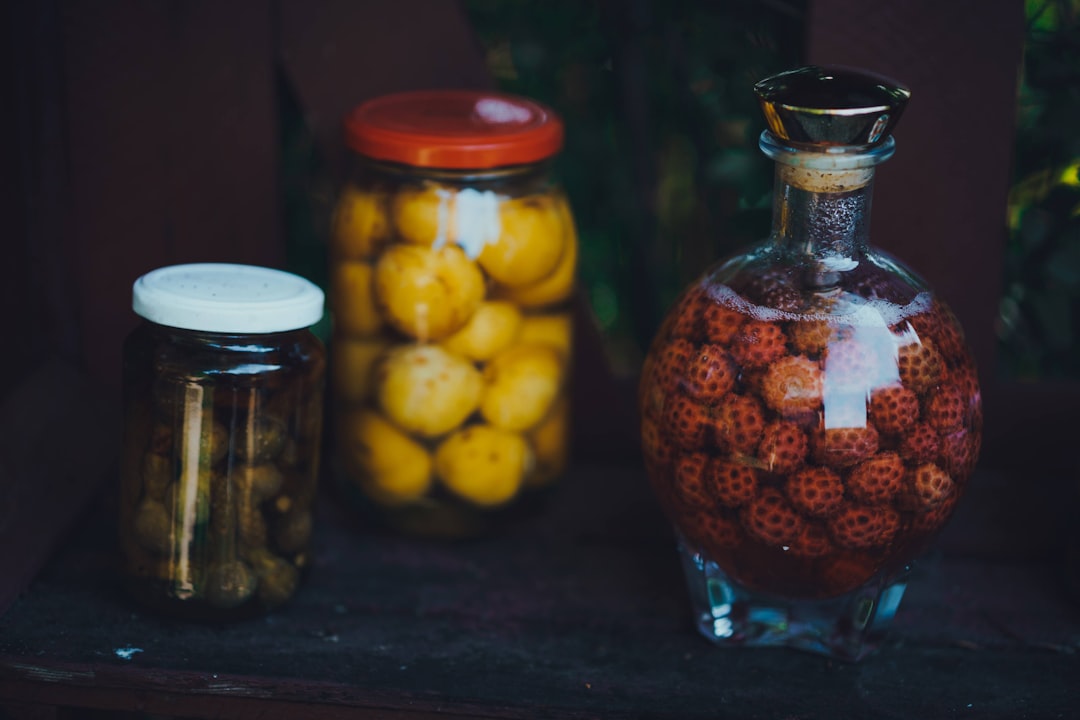
Pickling can be seen as a dance between time, acidity, and tradition. Whether it’s a jug of dill pickles in a summer barbecue or a jar of spiced mango chutney served alongside Indian curries, pickling allows for unique flavor profiles that highlight seasonal ingredients. In Mexico, for example, pickled vegetables, known as “escabeche,” become a staple accompaniment, transforming the dish with tangy brightness. Each bite tells a story, connecting the past to the present.
What’s particularly fascinating about pickling is the immediacy of flavor development, which still embraces the influence of time. A quick pickle may only last a few days, while traditional methods can yield flavors that deepen over weeks or months. This versatility illustrates how time can be manipulated to create diverse taste experiences—an ever-important tool in a shared kitchen, where experimentation yields thrilling results.
Finding Flavor in Your Kitchen
Understanding how cultures utilize time to craft flavors opens a world of possibilities in our own kitchens. While many of us are accustomed to cooking something from scratch in a single sitting, embracing techniques like fermentation or pickling encourages a different mindset. It invites us to think ahead and consider how time can be our ally in creating extraordinary flavors. With the right approach, you’ll soon find that a little patience can lead to food that isn’t just enjoyed, but cherished.
Common Questions
What are some simple fermentation projects to start with?
Begin with easy projects like homemade sauerkraut or yogurt. These require minimal ingredients and offer rewarding flavors that evolve over time.
How can I incorporate aged cheeses into my meals?
Aged cheeses like Parmigiano-Reggiano can elevate simple dishes. Grate over pasta, slice for a cheese board, or add to salads for a burst of flavor.
What should I look for in pickled foods?
Seek pickled items with vibrant colors and a balance of acidity and spice. Labels featuring natural ingredients and traditional methods often signal quality.

Comments